
EDI Integration for Logistics Operations
All City Leasing & Warehouse uses Electronic Data Interchange (EDI) to support faster, more accurate communication across freight and warehouse operations. Our EDI workflows help trading partners exchange shipment details, status updates, and logistics documents with less manual entry.
What Is EDI in Logistics?
EDI is the system-to-system exchange of standardized business documents. EDI logistics workflows help shippers, carriers, brokers, warehouses, and customers share load information, shipment milestones, invoices, and confirmations in a consistent electronic format.
Common EDI Logistics Transactions
EDI Codes Used Across Freight and Warehouse Workflows
Transportation EDI codes support different stages of a freight or warehouse workflow,
from load tendering and shipment tracking to invoicing and warehouse confirmations.
Load Tender
Sends shipment details and offers a load to a carrier for acceptance.
Shipment Status
Shares freight milestones, location updates, and delivery status.
Freight Invoice
Transfers freight charges and invoice details electronically.
Advance Ship Notice
Describes shipment contents before delivery.
Warehouse Order and Advice
Coordinates outbound orders and confirms shipment activity.
How Transportation EDI Supports Freight
EDI creates a consistent data flow between the systems used by shippers, carriers, brokers, warehouses, and customers.
- Process load information with less manual entry.
- Share shipment milestones and exceptions faster.
- Reduce duplicate data and document errors.
- Support more efficient billing and confirmations.

our advantages
Benefits of EDI-Enabled Logistics
Faster communication
Standardized messages reduce time spent moving information manually.
Better accuracy
Consistent document flows help reduce repeated entry and avoidable errors.
Efficient billing
Electronic freight details can shorten invoice-processing time.
Shipment visibility
Status messages keep partners informed about freight milestones.
Scalable workflows
Defined processes make it easier to support additional partners and shipment volume.
How EDI Onboarding Works
Define the workflow
Confirm trading partners, document types, required fields, status events, operating rules, and approval owners before mapping starts.
Map the data
Align each required format with the EDI logistics workflow so load tenders, warehouse updates, shipment status, and invoices move in the expected order.
Test the exchange
Validate sample documents, acknowledgments, status events, exceptions, and error handling before live freight depends on the connection.
Launch and monitor
Activate the approved connection, review initial transactions, resolve mapping issues, and confirm partners receive the right logistics updates.
Know Your Options
What We Offer
All City Leasing & Warehouse helps connect EDI logistics activity with the freight, warehouse, and partner workflows that need the data.
Real-Time EDI Logistics Visibility
TMS, WMS & ERP Integration
Secure EDI Data Transmission
Full EDI Setup and Onboarding
Automated Documents and Status Updates
EDI Support and Compliance
More Than Just edi
EDI + Logistics = Smarter Supply Chains
EDI works best when it supports the physical movement of freight. Combine EDI-enabled workflows with the logistics services that move, store, and document the shipment.
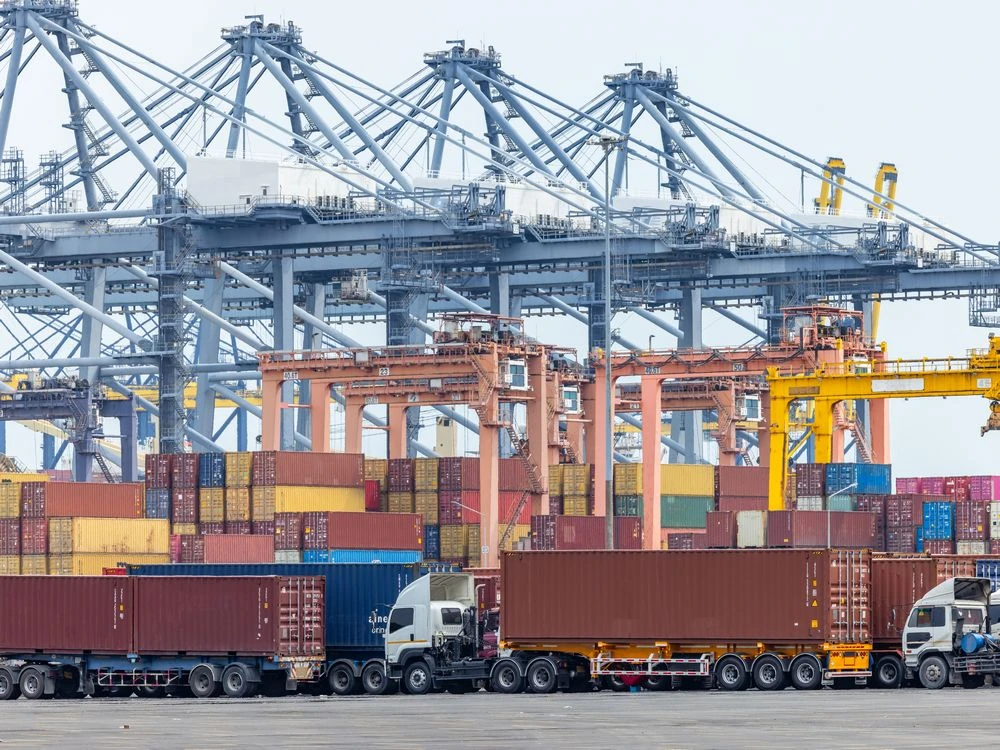
Transloading
Coordinate container, pallet, and truck handoffs between transportation modes with clearer shipment and warehouse updates.

Warehousing
Inventory updates for inbound and outbound warehouse movement.
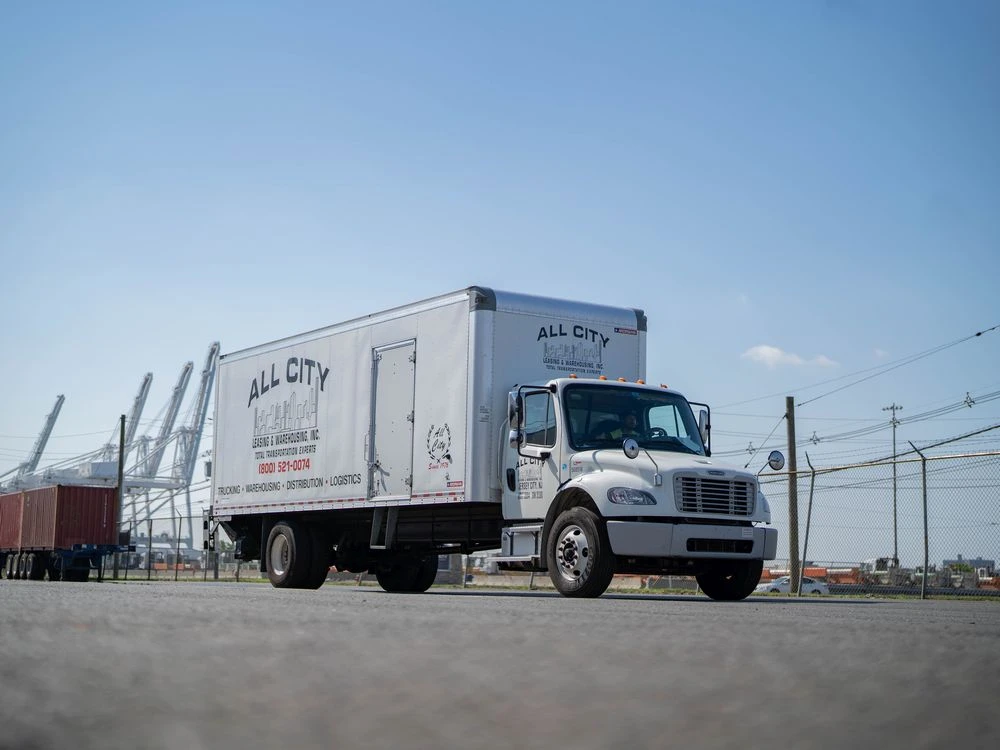
Freight (LTL/FTL)
Load tenders, shipment status, and invoicing.
Quick Answers About EDi
Frequently Asked Questions
01. What is EDI in trucking?
EDI in trucking is the electronic exchange of standardized freight documents between shippers, brokers, carriers, warehouses, and customers. It commonly supports load tenders, shipment-status messages, freight invoices, and confirmations.
02. What is EDI in shipping?
EDI in shipping exchanges standardized shipment instructions, status information, and confirmations between trading partners. It helps reduce repeated entry and keeps shipment data consistent across systems.
03. What is EDI 856?
EDI 856 is an Advance Ship Notice. It describes what has shipped and how it is packaged so the receiving party can prepare for delivery and compare the shipment with related order information.
04. What are EDI 940 and EDI 945?
EDI 940 is a Warehouse Shipping Order. EDI 945 is a Warehouse Shipping Advice that confirms outbound shipment activity.
05. Which transportation EDI codes does All City Leasing & Warehouse support?
Supported transportation EDI codes depend on the customer, trading partner, and logistics workflow. Contact the company to confirm the transaction sets and required data fields for your account.
06. Can EDI connect with a TMS, WMS, or ERP?
EDI commonly exchanges documents with transportation, warehouse, and enterprise systems. Compatibility depends on the systems, formats, and trading-partner requirements involved.
07. How long does EDI onboarding take?
Timing depends on the number of partners, transaction sets, mappings, tests, and approvals. The requirements should be reviewed before an implementation schedule is confirmed.
08. Is EDI secure?
EDI security depends on the communication method, access controls, systems, and trading-partner requirements. The specific approach should be confirmed during onboarding.
Connect Your Systems and Logistics Operations
Tell All City Leasing & Warehouse which partners, systems, documents, and logistics services your EDI workflow needs to support. We will review the requirements and determine the appropriate next steps.