
Navigating the logistics of the East Coast’s largest port complex requires more than just hiring a truck. As we move through 2026, understanding the intricacies of port Newark drayage is essential for importers, freight forwarders, and supply chain managers who want to control costs and ensure timely deliveries. The Port of New York and New Jersey remains a critical gateway for global trade, but its unique operational environment demands specialized knowledge.
Whether you are dealing with drayage companies in NJ for the first time or looking to optimize your existing supply chain, this guide walks you through the essential costs, rules, and best practices for drayage at Port Newark in 2026.
What Is Port Newark Drayage?
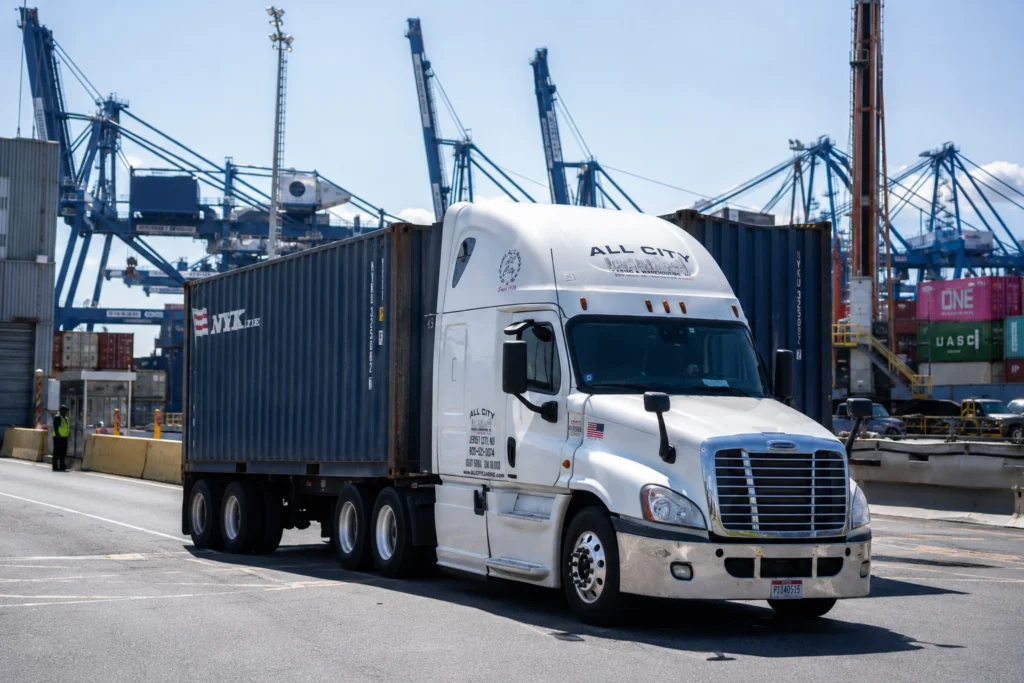
Port Newark drayage is the short-distance transportation of shipping containers between a marine terminal and nearby warehouses, distribution centers, or rail yards. In practice, it represents the critical first or last mile of the import supply chain — the moment your cargo leaves the vessel and begins its journey inland.
The Port Newark-Elizabeth Marine Terminal complex is the largest container port on the U.S. East Coast and the third largest in the country, handling a record 8.6 million TEUs annually. Efficient port drayage NJ operations are what keep this massive volume of cargo moving. Without a reliable drayage partner, containers sit idle at the terminal, accumulating fees and disrupting your entire supply chain.
The port complex includes six major terminals: APM Terminals Elizabeth, Maher Terminals, Port Newark Container Terminal (PNCT), GCT Bayonne, GCT New York (Howland Hook), and Red Hook Container Terminal. Each facility operates its own appointment system, gate hours, and chassis acceptance rules — which is why local expertise in drayage services Newark is not optional; it is essential.
Understanding Port Newark Drayage Costs in 2026
The cost of container drayage NJ is never just a flat base rate. In 2026, the drayage fee stack at the Port of New York and New Jersey includes several unique charges that importers must plan for. Shippers who budget only for the base rate routinely underestimate their true landed cost by 15 to 30 percent.
Base Drayage Rate
The base rate covers the fundamental transportation of the container from the terminal to its destination. This rate varies based on distance, lane density, container size, and whether the move is a live unload or a drop-and-pull operation. Moves that cross into New York City or traverse the Bayonne Bridge, Goethals, or Holland Tunnel carry significant toll exposure that does not exist on inland New Jersey moves.
Cargo Facility Charge (CFC)
Unique to the Port of New York and New Jersey, the Cargo Facility Charge is a per-laden-TEU fee assessed by the Port Authority to fund intermodal, rail, and roadway capacity improvements. The 2025 rate was $14.05 per laden TEU, rising again for 2026 as the Port Street Corridor Improvement project phases in. This charge applies to all laden containers and is adjusted every January.
Demurrage and Detention Fees
Demurrage and detention are the most significant — and most avoidable — costs in port logistics.
Demurrage is charged by the terminal when a container remains at the port beyond its allotted free time. In 2026, these fees typically start at $150 to $250 per container per day and escalate quickly, often exceeding $350 per day after the first week. On a multi-day hold, these charges compound fast and can reach six figures for large shipments.
Detention is charged by the ocean carrier when their container is held outside the terminal beyond the allowed free time before being returned empty. Poor coordination between your warehouse, trucker, and carrier is the primary cause of detention charges.
Proactive planning with your intermodal drayage Port Newark partner — including monitoring Last Free Day (LFD) and coordinating warehouse receiving appointments — is the most effective way to avoid these costs. For a transparent breakdown of what you can expect to pay, see our drayage pricing and rates page.
Chassis Fees and Split Charges
A chassis is the specialized trailer used to transport shipping containers over the road. In the NY/NJ port complex, chassis are managed through a “Pool of Pools” framework among major Intermodal Equipment Providers (IEPs). Importers incur a daily per-diem charge for chassis usage from the moment it leaves the terminal until it is returned. If a driver must pick up a chassis from one location and the container from another — a “chassis split” — an additional fee is applied to cover the extra time and mileage.
PortTruckPass and Driver Requirements: What You Need to Know
Operating within the Port of New York and New Jersey requires strict compliance with security and environmental regulations. The port of New York New Jersey logistics environment is tightly controlled, and non-compliance results in denied terminal access and costly delays.
The PortTruckPass (PTP) System
The Port Truck Pass NJ is a mandatory registration service for every truck accessing the marine terminals. Operated by Sustainable Terminal Services, Inc. (STS), PTP implements Port Authority rules and provides the Terminal Information Portal System (TIPS) — a common platform for motor carriers to manage their resources and appointments.
Every truck must be registered in the PTP database and equipped with a valid RFID tag mounted on the driver’s side mirror. Drivers who “piggyback” too closely to the truck ahead or carry multiple tags in the cab will receive error messages and be denied entry.
TWIC Card and SeaLink Credentials
Every driver performing drayage trucking New Jersey must carry two mandatory credentials:
TWIC (Transportation Worker Identification Credential): Issued by the TSA under the Maritime Transportation Security Act, this federal credential is required for unescorted access to secure maritime facilities. Drivers apply directly through the TSA process.
SeaLink Card: The Port Authority’s uniform driver identification system. After obtaining a TWIC, drivers visit the Truck Service Center at 1160 McLester Street, Elizabeth, NJ, to register and receive their SeaLink card. This card enables fast, safe movement through terminal gates.
Clean Truck Compliance
The Port Authority’s ongoing clean truck initiatives and Truck Replacement Program set strict emissions standards for vehicles operating within the port. Working with a drayage carrier NJ that maintains a modern, compliant fleet ensures uninterrupted port access and avoids penalties.
How to Choose the Right Port Newark Drayage Partner
Selecting the right partner for your port drayage NJ operations is one of the most consequential decisions an importer makes. The market includes hundreds of carriers, but the difference between a reliable partner and a poor one is measured in missed appointments, surprise fees, and disrupted supply chains.
Choose an Asset-Based Carrier
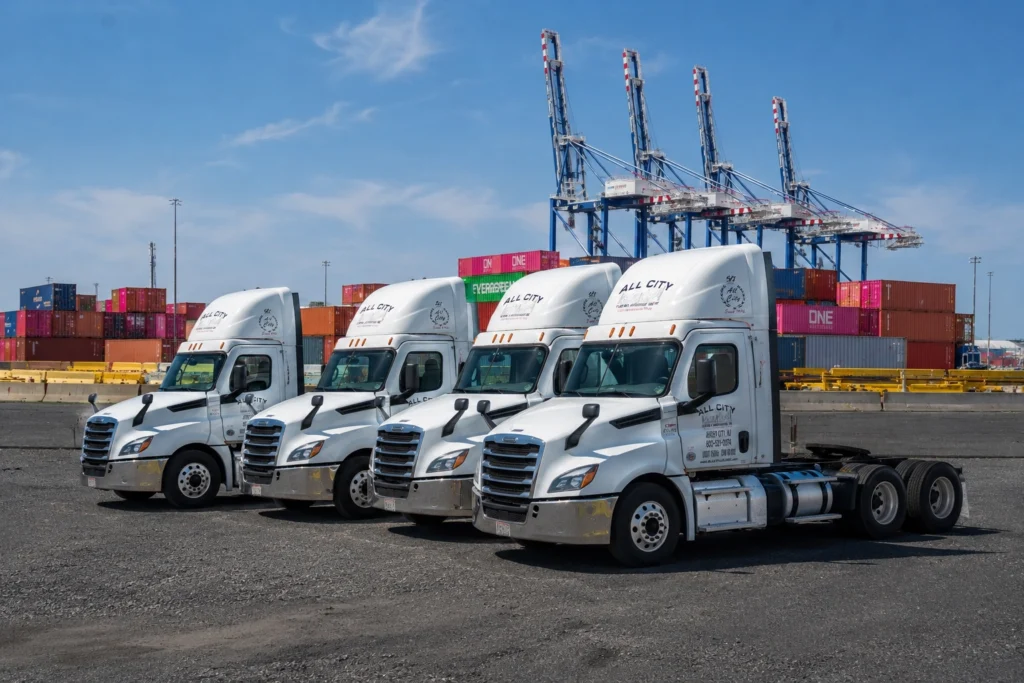
Brokers and freight intermediaries who subcontract your cargo to owner-operators introduce unpredictability into your supply chain. Asset-based carriers own their trucks and chassis and employ their own drivers. This model provides guaranteed capacity, consistent service quality, and direct accountability — especially critical during peak season surges or periods of severe port congestion.
Demand Proven Local Expertise
The Port Newark complex is not a single facility; it is a network of six terminals, each with its own appointment windows, gate behavior, and chassis acceptance rules. A provider with deep roots in the area understands how to secure the right appointments, anticipate congestion patterns, and navigate the daily operational changes that can derail a container move.
Require Real-Time Technology
In 2026, real-time visibility is a baseline requirement, not a premium feature. Your drayage partner should operate a Transportation Management System (TMS) with GPS tracking on every load, providing you with accurate, up-to-the-minute updates on your cargo’s status. This visibility is critical for coordinating warehouse receiving windows and avoiding detention charges.
Verify Compliance and Certifications
Confirm that any carrier you work with holds the necessary authorizations: active USDOT and MC numbers, CBP-bonded carrier status, TWIC-certified drivers, and PortTruckPass registration. These credentials are not optional; they are the minimum requirements for operating at Port Newark.
When you are ready to work with a partner who meets all of these standards, explore our Port Newark drayage services to learn how All City Leasing can protect your supply chain.
Frequently Asked Questions About Port Newark Drayage
What is the difference between demurrage and detention at Port Newark?
Demurrage is a fee charged by the terminal for leaving a container at the port beyond the allotted free time. Detention is a separate fee charged by the ocean carrier for keeping their container outside the port beyond the allowed time. Both fees can escalate rapidly and are best avoided through proactive scheduling with your drayage partner.
What is PortTruckPass and why is it required?
PortTruckPass (PTP) is the mandatory truck registration and RFID system for all vehicles accessing the Port of New York and New Jersey terminals. It ensures that every truck meets the port’s safety, environmental, and security standards. Without PTP registration and a valid RFID tag, a truck will be denied entry at any terminal gate.
How much does drayage from Port Newark typically cost in 2026?
The total cost of a drayage move from Port Newark includes the base rate, Cargo Facility Charge, chassis per diem, fuel surcharge, and any applicable toll exposure. Exact rates vary by destination, container size, and lane. Contact us for a tailored rate that reflects your specific freight profile.
What happens if my container misses its free time window?
Once free time expires, demurrage charges begin accruing immediately. Rates are tiered and escalate the longer the container sits. In severe cases, a pre-pull to an off-dock storage yard before the Last Free Day is a cost-effective strategy — a single day of off-dock storage often costs less than one day of terminal demurrage.
Does All City Leasing handle overweight containers at Port Newark?
Yes. All City Leasing holds the necessary overweight permits and operates specialized equipment, including tri-axle chassis, to safely and legally transport overweight containers from Port Newark to destinations across New Jersey and the tri-state area.
Conclusion
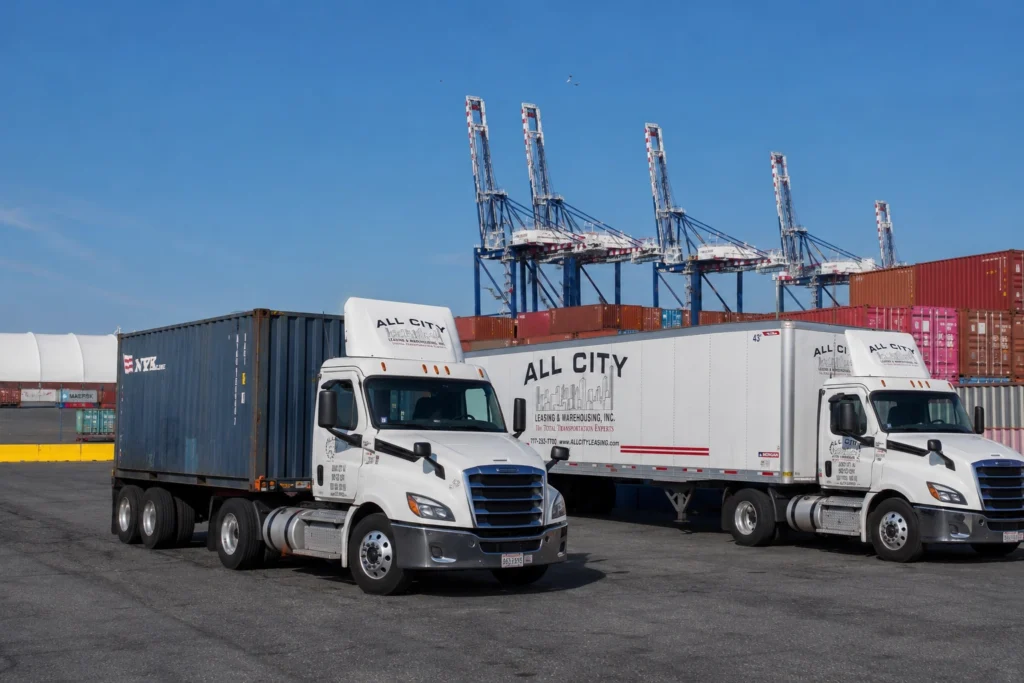
Mastering port Newark drayage in 2026 requires a clear understanding of the port’s unique fee structures, regulatory requirements, and operational dynamics. By partnering with an experienced, asset-based drayage carrier NJ, importers can avoid costly demurrage charges, maintain supply chain reliability, and ensure their cargo reaches its destination on time.
At All City Leasing & Warehousing, we have been operating at the Port of New York and New Jersey since 1976. Our company-owned fleet, TWIC-certified drivers, CBP-bonded status, and PortPro TMS give our clients the visibility and reliability they need in today’s demanding logistics environment. If your supply chain runs through Port Newark, we are ready to help you move smarter.