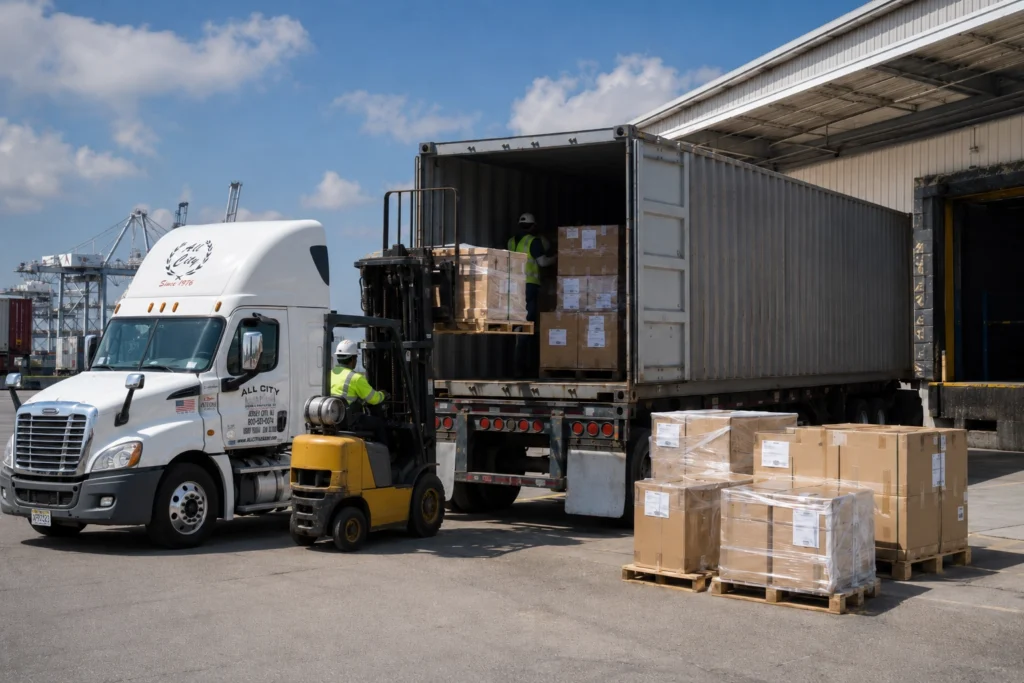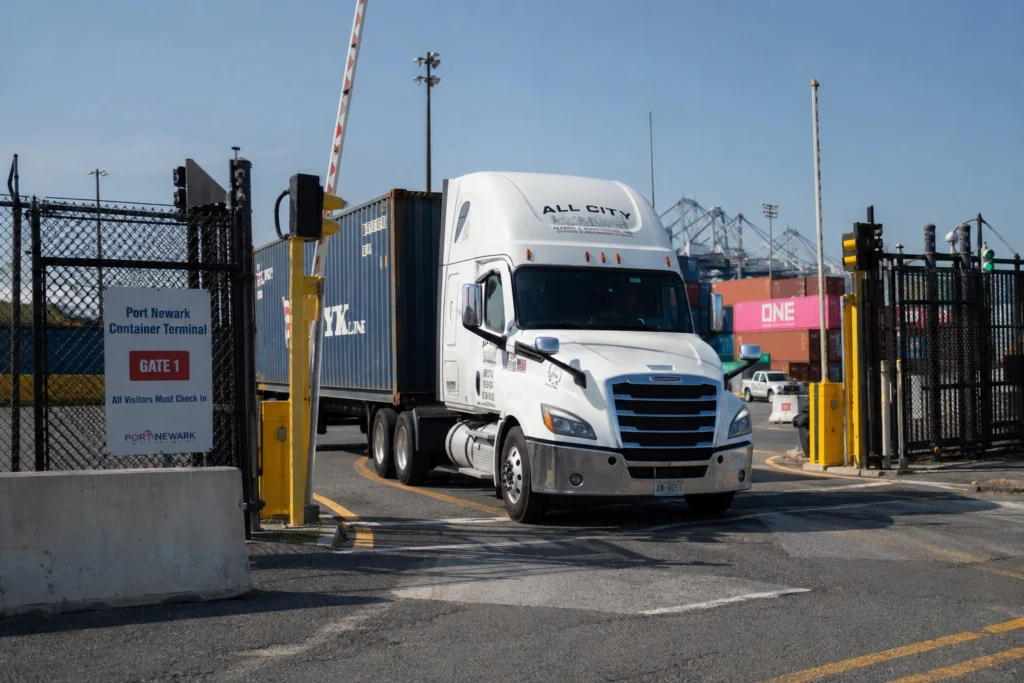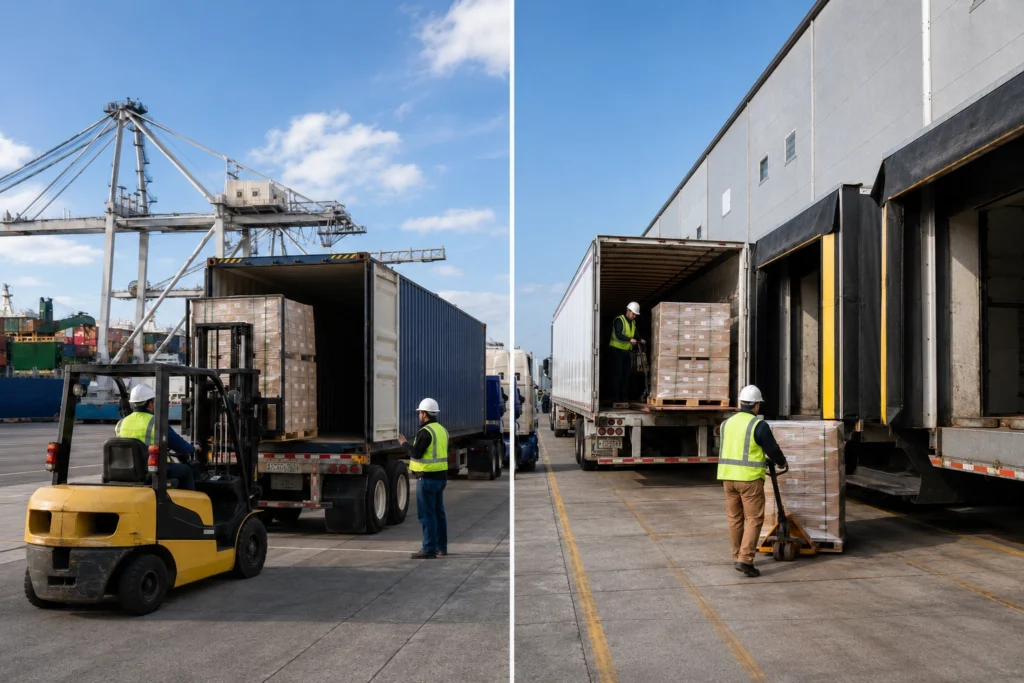
Have you ever received an unexpected invoice from a steamship line with thousands of dollars in container detention or demurrage charges? If you ship freight through Port Newark or Port Elizabeth, you are likely familiar with the rising costs of port congestion and equipment delays. What are the best ways to stop these fees from eating into your profit margin? Working with an experienced logistics team can help you navigate the complexities of port drayage and supply chain management to keep your cargo moving efficiently.
In this guide, we will explain the difference between demurrage and detention, how free time works at NJ ports, and five practical strategies to avoid these costly penalties.
What is the Difference Between Demurrage and Detention?
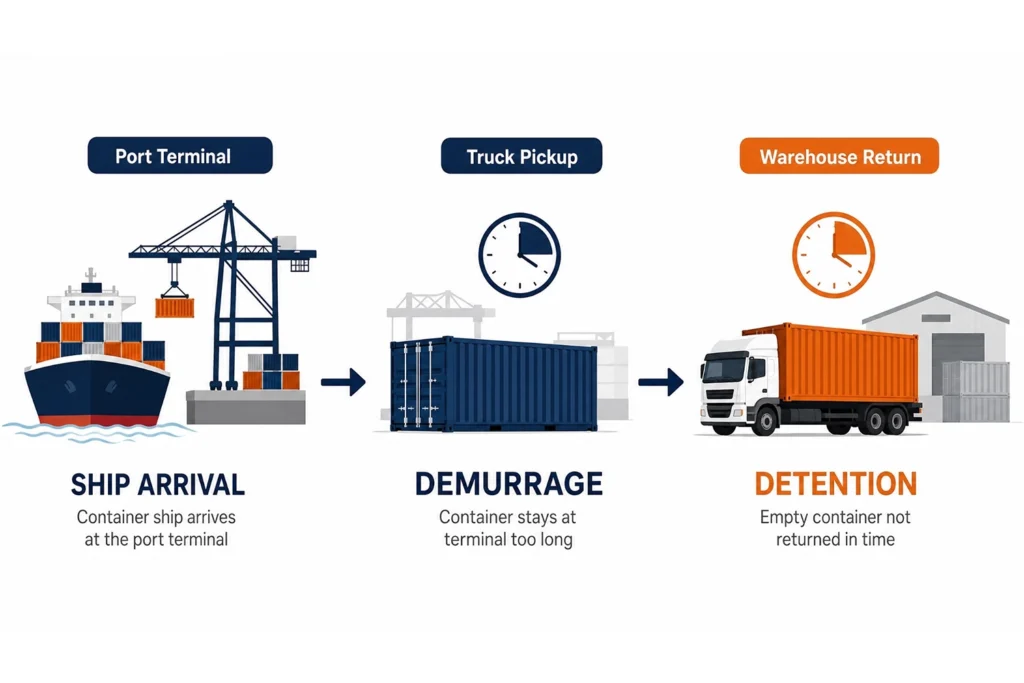
Many shippers use the terms demurrage and detention interchangeably, but they refer to two distinct types of penalties assessed at different points in the container’s journey. Understanding the exact demurrage and detention meaning is the first step in any cost mitigation strategy.
Demurrage fees are charges applied when a loaded container remains at the port or terminal beyond the allotted free time. These fees are designed to discourage shippers from using the port as a long-term storage facility. The demurrage clock starts ticking after the container is discharged from the vessel and the grace period expires. Demurrage is billed by the ocean carrier and must typically be paid before the cargo can be released.
For example, if you have 4 days of free time at Port Newark, but your container sits at the terminal for 7 days due to a customs hold or chassis shortage, you will be billed for 3 days of demurrage. These fees are assessed by the steamship line to compensate for the use of their equipment and the terminal space occupied by your cargo.
Detention charges (also called per diem fees) apply after the container has been picked up from the port. If you take the loaded container to your warehouse but fail to return the empty container to the terminal or designated depot within the agreed-upon free time, the ocean carrier will assess a detention charge.
In short: demurrage happens inside the terminal when you take too long to pick up your loaded container. Detention happens outside the terminal when you take too long to return the empty container.
How Much Do Demurrage and Detention Cost at NJ Ports?
The cost of demurrage and detention varies widely depending on the steamship line, the terminal, and the type of equipment. However, these fees escalate quickly and can severely impact your budget and profit margin.
As of late 2024, Maersk increased demurrage tariff rates for cargo moving through Newark, NJ. For a standard 20′ or 40′ dry container, demurrage fees start at approximately $370 per day for the first four days after free time expires, rising to $480 per day for days five through nine, and exceeding $620 per day for days ten through twenty-nine. If a container remains at the terminal for more than 30 days, the daily penalty reaches $725 per container.
Detention fees typically range from $100 to $200 per day, but also increase on a tiered scale the longer the empty container is kept outside the port. When you multiply these daily rates by multiple containers, the impact on your logistics budget can be devastating — and entirely avoidable with proper planning.
Common Causes of Container Delays at Port Newark and Port Elizabeth
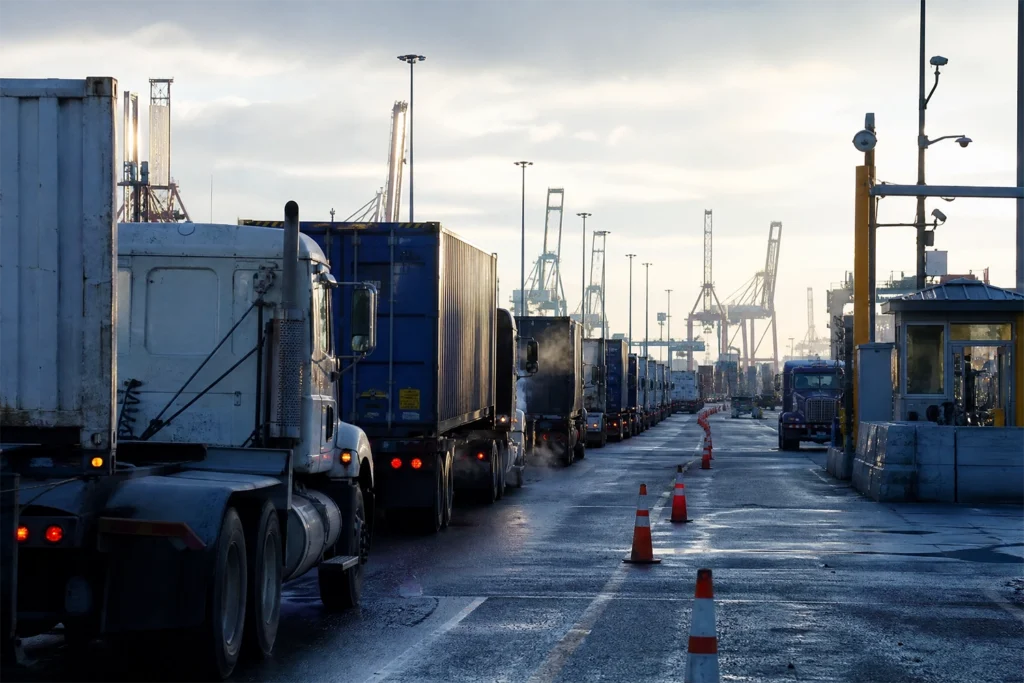
To implement an effective mitigation strategy, you must understand what causes these delays in the first place. The most common reasons for incurring late fees on shipping containers at NJ ports include:
Customs Hold and Exams: If U.S. Customs and Border Protection (CBP) flags your shipment for a physical or document exam, the container cannot leave the port. You remain responsible for all demurrage fees that accrue during this period, regardless of the reason for the hold.
Chassis Shortages: During peak import seasons, finding an available chassis at Port Newark can be extremely difficult. Without a chassis, your drayage provider cannot pick up the container, and the demurrage clock keeps running.
Port Congestion: Heavy vessel traffic, labor disruptions, or severe weather can cause significant delays at terminal gates, making it impossible to retrieve containers within the free time window.
Inaccurate or Incomplete Documentation: Missing or incorrect paperwork submitted by the importer of record, freight forwarder, or customs broker can halt the clearance process and leave your container sitting at the terminal.
Warehouse Delays: If your receiving facility is backed up and cannot unload the cargo promptly, you will incur container detention charges as the empty container sits in your yard.
5 Ways to Avoid Demurrage and Detention Fees at NJ Ports
Avoiding these fees requires proactive planning, real-time visibility, and the right logistics partnerships. Here are five actionable strategies to protect your bottom line.
1.Pre-Clear Customs and Prepare Documentation in Advance

One of the most common causes of demurrage is a delay in customs clearance. If your documentation is incomplete or inaccurate, your container may be subject to a customs hold or exam, leaving it stuck at the terminal while the demurrage clock runs.
Work closely with your customs broker and freight forwarder to ensure all commercial invoices, packing lists, and bills of lading are submitted well before the vessel’s arrival. Pre-clearing your cargo allows your drayage provider to schedule the pickup immediately once the container is discharged from the vessel. The importer of record must ensure all paperwork is accurate and complete.
2. Leverage Transloading Services to Avoid Delays
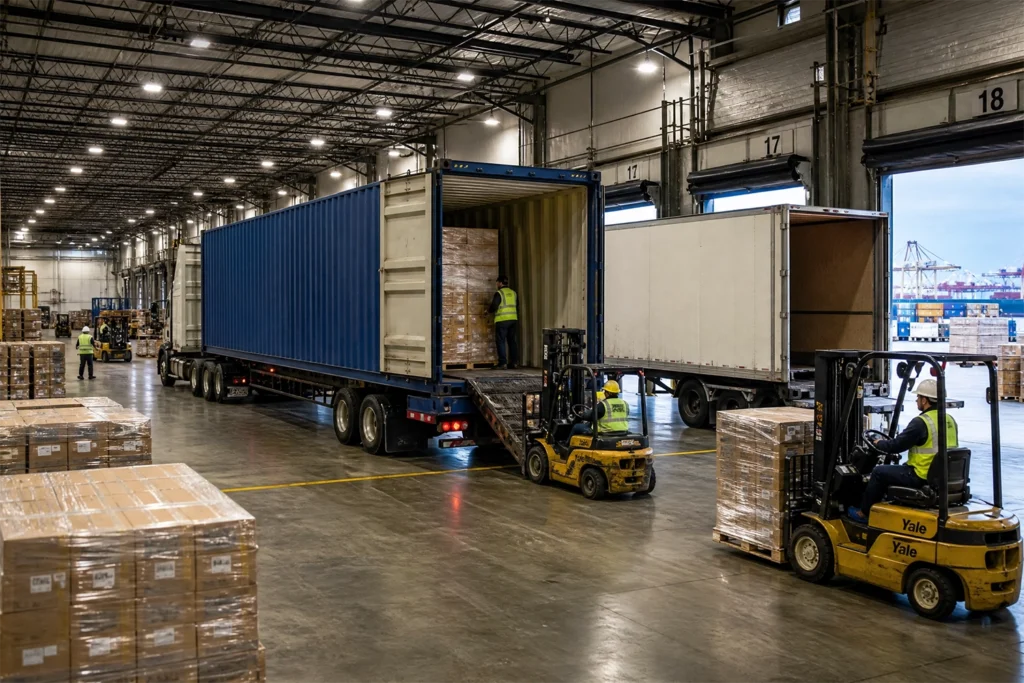
If your warehouse is backed up or you lack the dock space to unload containers quickly, you risk incurring heavy detention charges. Instead of holding onto the ocean container, consider utilizing transloading services to avoid delays.
At a transload facility near Port Newark, your cargo is quickly unloaded from the ocean container and transferred into a domestic trailer or stored in a warehouse. The empty container is immediately returned to the port — stopping the detention clock — while your freight is delivered to its final destination on your schedule. This strategy is particularly effective for importers who face recurring detention charges due to warehouse capacity constraints.
3. Monitor Free Time and Track Shipments in Real Time
Visibility is critical to effective supply chain management. You must know exactly how much free time you have for both demurrage and detention. Free time at Port Newark typically ranges from 3 to 5 days for demurrage and 4 to 7 days for detention, but this can vary significantly by carrier contract and terminal.
Utilize tracking technology to monitor vessel arrivals and container availability. When you know exactly when the grace period ends, you can prioritize the retrieval and return of containers that are closest to incurring late fees. Effective tracking ensures you are never surprised by an unexpected billing or invoice.
4. Partner with an Asset-Based Drayage Provider
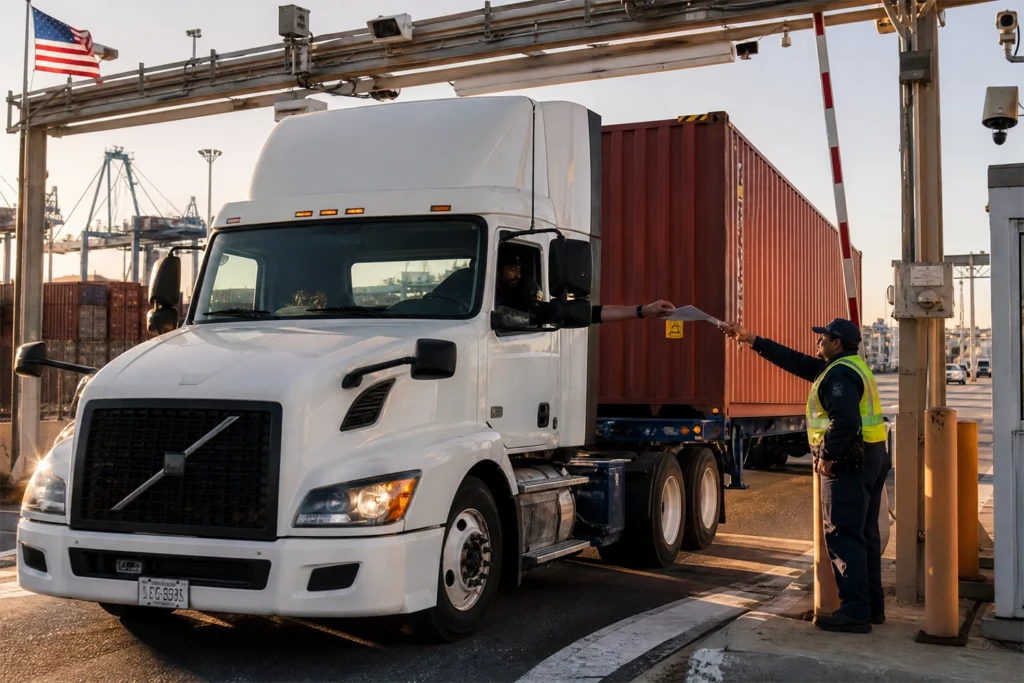
Port congestion, gate hours, and appointment system restrictions at NJ terminals can make it difficult to retrieve containers on time. If your trucking provider relies on third-party capacity or struggles with chassis shortages, your cargo will sit.
Partner with an asset-based logistics provider that operates its own fleet of trucks, employs company drivers, and maintains a private chassis pool. Providers with TWIC-certified drivers and PortTruckPass registration have the terminal access and resources needed to execute pre-pulls — moving your loaded container from the port to a secure yard storage facility before demurrage kicks in. Our port drayage services are built around exactly this kind of proactive container management.
5. Negotiate Extended Free Time with Your Shipping Line
If you are a high-volume importer or exporter, you may have the leverage to negotiate extended free time directly with the shipping line during your annual contract negotiations. Requesting an extra two or three days of free time can provide a crucial buffer against unexpected delays, port congestion surcharges, and supply chain disruptions.
Even if you cannot negotiate extended free time, understanding your current free time allowances across all carriers and terminals allows you to build a more accurate planning and budgeting strategy.
Frequently Asked Questions About Demurrage and Detention
What is the difference between demurrage and per diem?
Demurrage is the fee charged by the terminal for leaving a loaded container at the port beyond the free time. Per diem (also known as detention) is the daily fee charged by the ocean carrier for keeping the container outside the port beyond the allotted return window.
How can I dispute a demurrage charge?
To dispute a demurrage charge, you must provide documented proof that the delay was caused by the terminal or carrier — not by your own actions. This includes screenshots of terminal appointment system unavailability, gate closure notices, or proof of a vessel schedule change that impacted container availability.
Does a customs hold waive demurrage fees?
No. If your container is pulled for a CBP exam, the demurrage clock continues to run. The importer of record is responsible for all storage and penalty fees incurred during the hold, even if the delay was entirely outside their control.
Who pays for demurrage and detention?
Ultimately, the importer or the party listed on the bill of lading is responsible for paying these fees. Even if the delay was caused by a third-party trucker or warehouse, the ocean carrier will bill the shipper directly.
Take Control of Your Shipping Costs
Demurrage and detention fees do not have to be an accepted cost of doing business at NJ ports. By understanding the difference between demurrage vs detention, preparing your documentation early, and utilizing strategies like transloading and pre-pulls, you can successfully mitigate these penalties and protect your profit margin.
At All City Leasing & Warehouse, we have been helping companies navigate the Port of NY/NJ since 1976. Our comprehensive drayage, warehousing, and transload solutions are designed to keep your freight moving and your costs down. Get a freight quote today and find out how we can help you eliminate unnecessary container fees.