What is the exact difference between LCL, LTL, FTL, and FCL?
The exact difference between these freight shipping acronyms comes down to the mode of transport and the amount of space your cargo requires. LTL (Less Than Truckload) and FTL (Full Truckload) are used for ground transportation via trucks, while LCL (Less than Container Load) and FCL (Full Container Load) apply to ocean freight shipping. Understanding the difference between LCL and LTL, as well as FTL vs LTL and FCL vs LCL, is essential for optimizing your supply chain, controlling costs, and ensuring timely delivery.
Whether you are moving palletized goods across New Jersey or importing a 40ft container from overseas, selecting the right mode depends on volume, weight, dimension, and transit time. For businesses looking for domestic road transport, LCL, LTL, and FTL freight shipping services offer flexible solutions tailored to your specific capacity needs.
What is LTL Freight?
LTL freight stands for Less Than Truckload. This shipping method is used when your cargo is too large for parcel delivery but does not require a full 53-foot trailer. In an LTL arrangement, your palletized freight shares trailer space with shipments from other companies.
LTL is a cost-effective solution because you only pay for the specific space your cargo occupies. It is ideal for shipments ranging from one to six pallets, typically weighing under 10,000 pounds. Because the carrier consolidates multiple shipments, the trailer will make several stops at different terminals or hubs along the routing path. While this shared capacity reduces your shipping rates, it can result in a slightly longer transit time compared to dedicated options.
For companies operating in the New Jersey and New York metro areas, finding reliable LTL freight NJ services is a priority for efficient domestic distribution. Proper logistics planning ensures that loose cargo or partial loads reach their destination securely without paying for unused space. When you book an LTL shipment, the carrier will factor in the freight class, which is determined by the cargo’s density, stowability, handling, and liability.
What is FTL Freight?
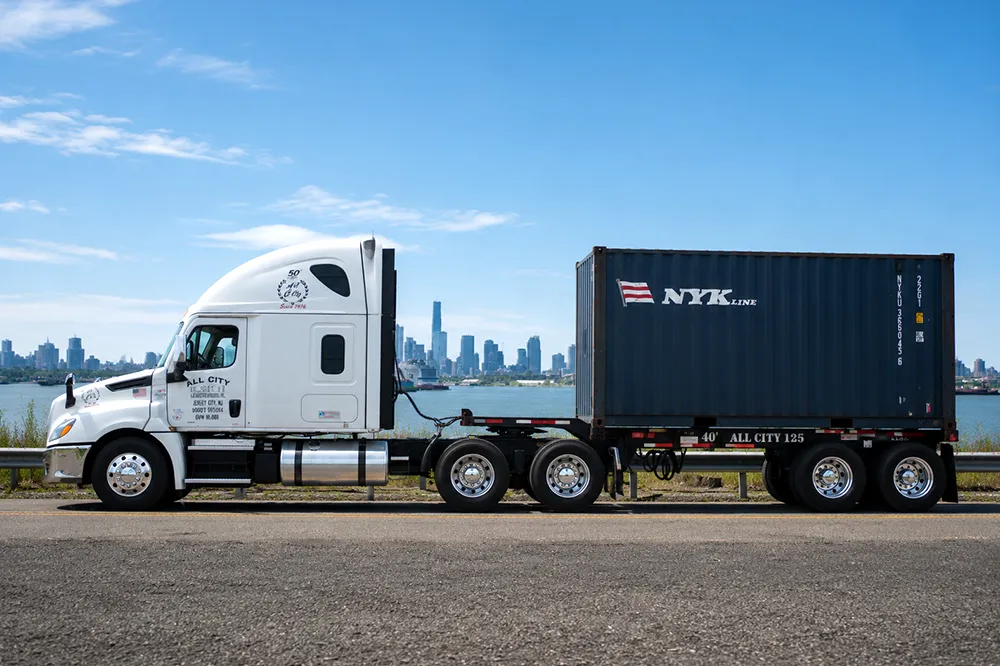
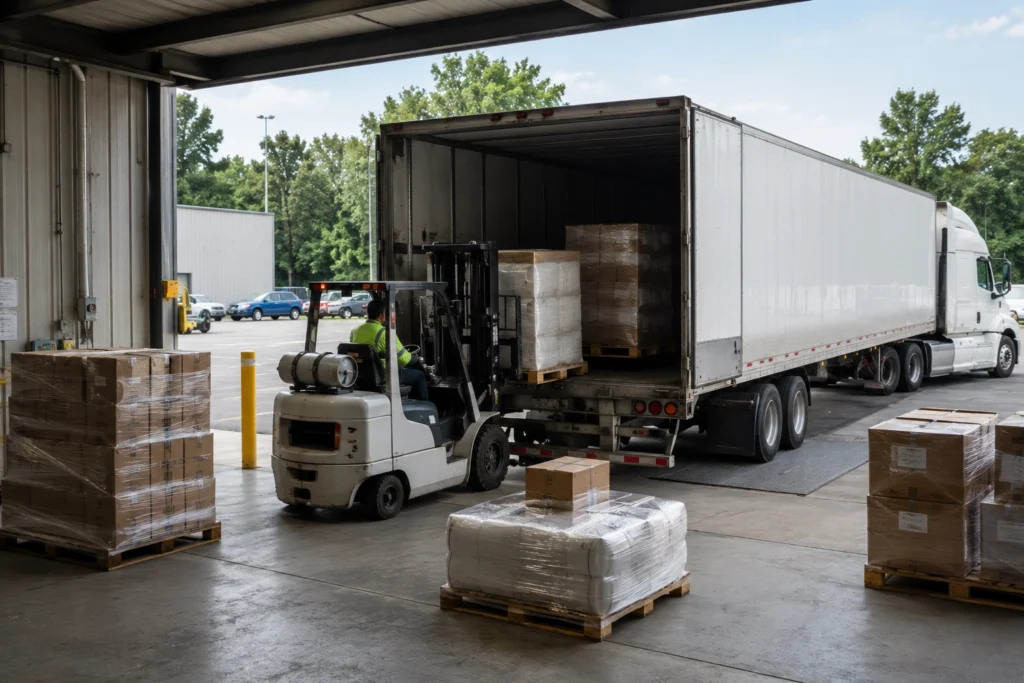
FTL stands for Full Truckload shipping. In this model, your cargo occupies the entire trailer, and the truck is dedicated solely to your shipment. This means the truck travels directly from the pickup location to the final delivery destination without stopping at intermediate terminals to load or unload other shippers’ goods.
FTL vs LTL: Which Should You Choose?
When comparing FTL vs LTL, the decision hinges on speed, security, and volume. Full truckload shipping is the preferred choice when you have enough volume to fill a trailer—typically 10 or more pallets, or freight weighing over 15,000 pounds. However, even if your shipment does not completely fill the truck, FTL might still be the better option if your cargo is highly sensitive, fragile, or time-critical.
Because FTL offers a dedicated trailer, the damage risk is significantly lower. There is less handling involved since the freight is not moved between trucks at various hubs. The speed of delivery is also faster with FTL, making it ideal for urgent domestic supply chain needs. While the cost of FTL is higher than LTL, the investment is justified by the speed, security, and exclusive capacity provided. For manufacturers shipping high-value electronics or temperature-sensitive pharmaceuticals, the direct routing of FTL provides unparalleled peace of mind.
What is LCL Shipping?
LCL stands for Less than Container Load. Similar to LTL in ground transport, LCL shipping is used in ocean freight when your cargo volume is not large enough to fill a standard 20ft container or 40ft container. In an LCL arrangement, your import or export cargo is consolidated with shipments from other businesses into a single shared container.
FCL vs LCL: Understanding Ocean Freight Options
LCL shipping is highly economical for small to medium-sized international shipments, typically under 15 cubic meters (CBM). It allows businesses to maintain a steady flow of inventory without waiting to accumulate enough goods for a full container. This flexibility is crucial for e-commerce brands and retailers managing lean inventory models.
However, because the container must be packed (consolidated) at the origin port and unpacked (deconsolidated) at the destination port, LCL shipments generally have a longer transit time and involve more handling. The deconsolidation process at a warehouse or Container Freight Station (CFS) adds days to the schedule before the cargo is ready for final delivery via road transport.
What is FCL Shipping?
FCL stands for Full Container Load. In FCL shipping, you rent the entire ocean container exclusively for your cargo. You pay a flat rate for the container, regardless of whether it is completely full.
FCL is the standard choice for large volume shipments. It offers a faster transit time than LCL because the container is sealed at the origin and remains unopened until it reaches the final destination. This direct routing reduces handling, thereby minimizing the damage risk and enhancing security. For high-volume international trade, FCL provides better economy of scale and more reliable tracking throughout the supply chain.
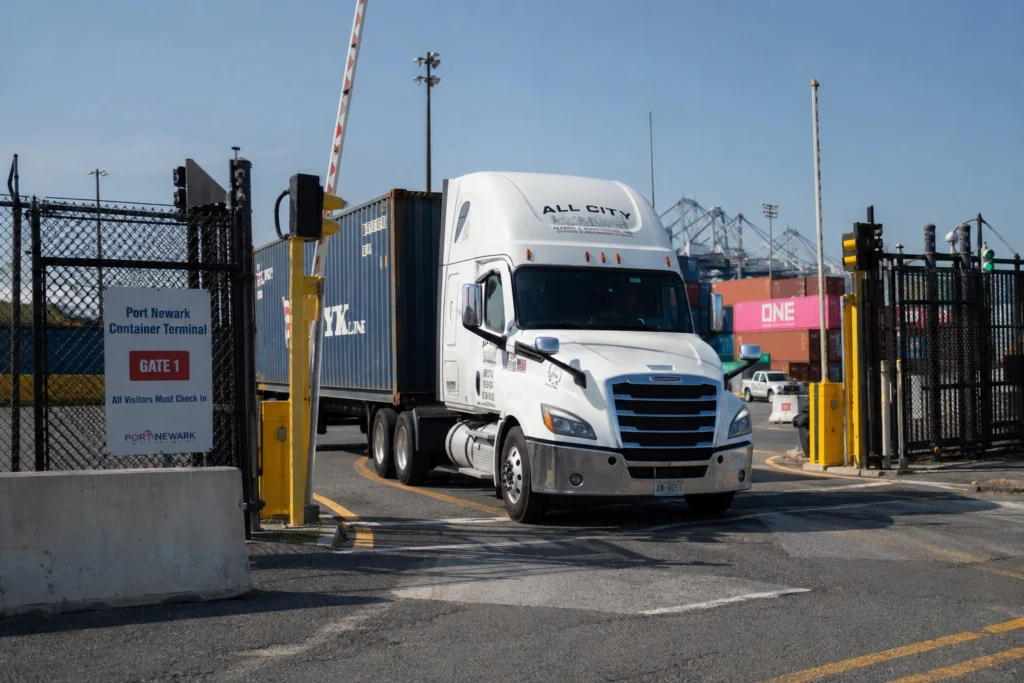
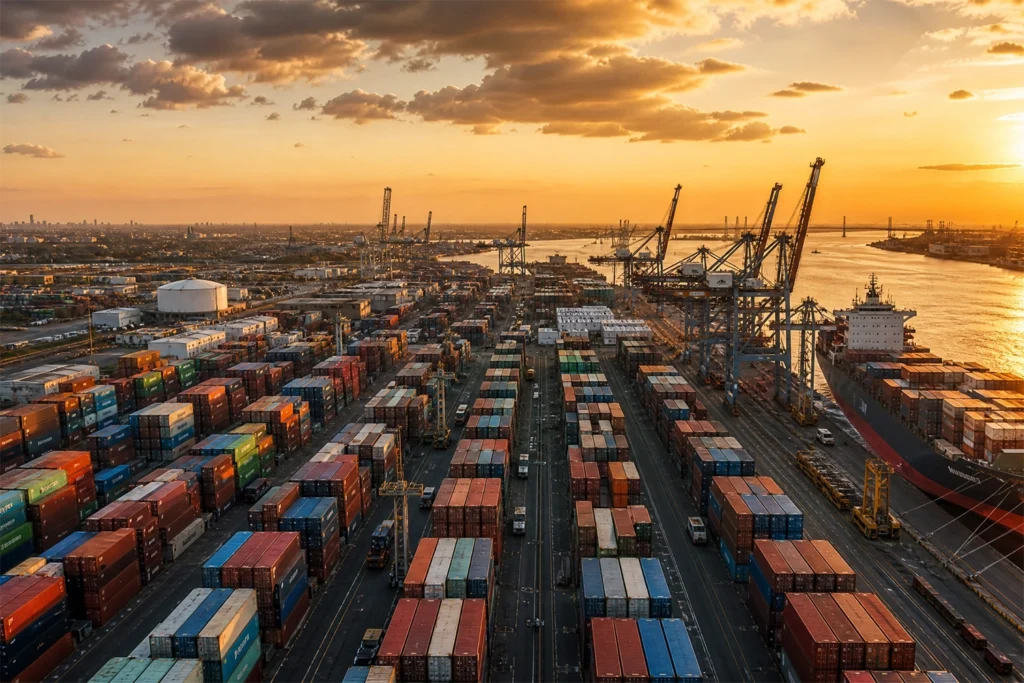
When a business imports a high volume of consumer goods, booking a dedicated 40ft container ensures that the cargo arrives intact and on schedule. Once the FCL shipment arrives at a major hub like the Port of NY/NJ, drayage services transport the container directly to a warehouse or distribution center for unloading.
How to Choose the Right Freight Shipping Method
Selecting between these freight shipping acronyms requires careful evaluation of your specific logistics needs. Here is a breakdown of the key factors to consider:
- Volume and Weight: Assess the dimension and weight of your cargo. Small, palletized loads under 10,000 pounds are best suited for LTL. International shipments under 15 CBM are ideal for LCL. Large volumes that fill a trailer or a 20ft container should move via FTL or FCL.
- Transit Time: If speed is critical, dedicated FTL or FCL services provide faster, direct routing. Shared LTL and LCL options take longer due to consolidation, deconsolidation, and multiple stops at terminals.
- Cost and Economy: LTL and LCL offer lower shipping rates for partial loads because you share the cost of the space. FTL and FCL require paying for the full capacity, which becomes cost-effective only when shipping large volumes.
- Security and Handling: Fragile or high-value goods benefit from the reduced handling of FTL and FCL. Shared methods involve more touchpoints at hubs, increasing the potential damage risk.
- Logistics Planning: Consider the entire supply chain journey. An international LCL shipment will require a transition to LTL road transport for final delivery. Partnering with a comprehensive carrier simplifies this booking and tracking process.
The Role of Transloading and Warehousing
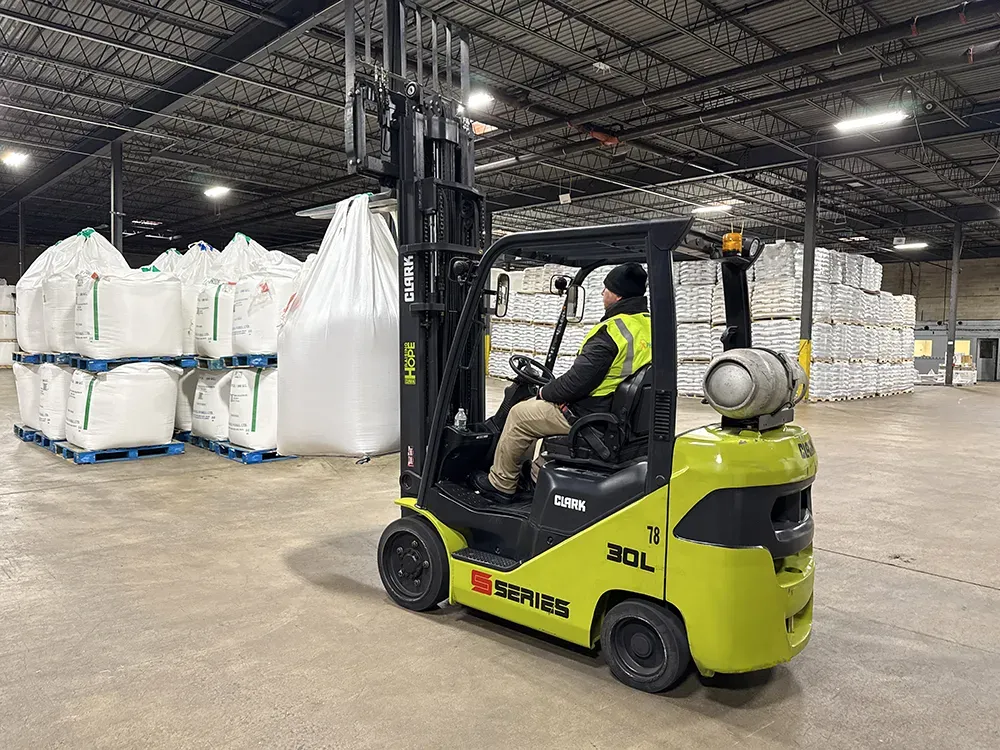
Understanding the difference between LCL and LTL is only part of the equation. Once international cargo arrives at a port, it must transition to domestic road transport. This is where transloading and warehousing come into play.
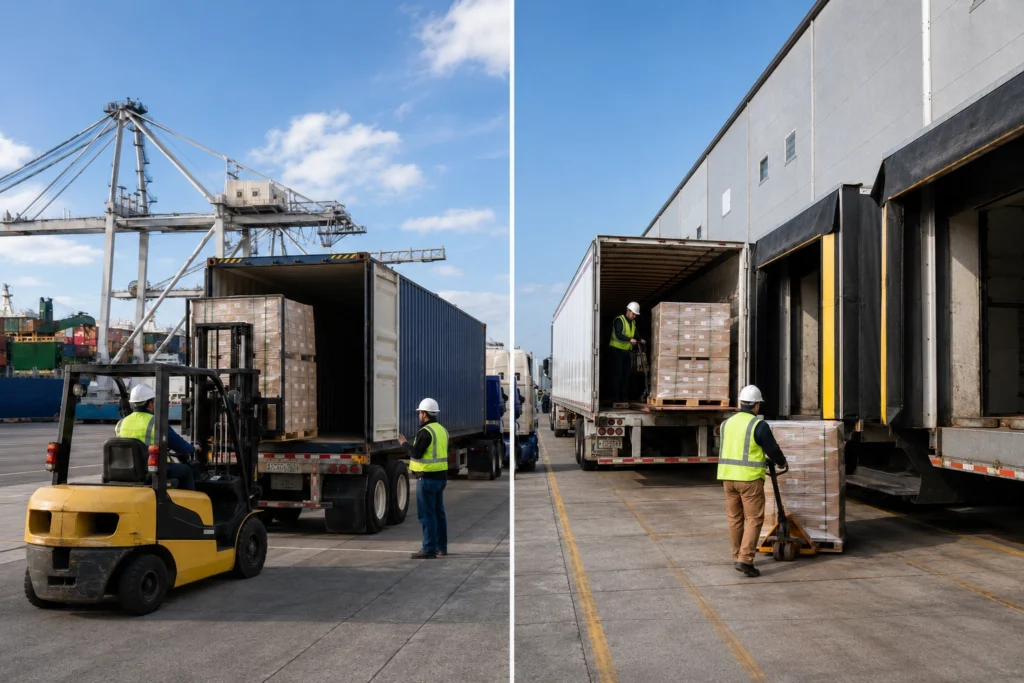
Transloading involves moving goods from one mode of transportation to another—for example, transferring palletized cargo from a 40ft ocean container directly into a 53-foot domestic truck trailer. This process bypasses long-term storage, speeding up the supply chain. For businesses utilizing LCL shipping, deconsolidation at a warehouse is a necessary step before the individual shipments are routed via LTL carriers to their final destinations.
Working with a logistics provider that handles port drayage, warehousing, and domestic trucking under one roof ensures seamless transitions, better capacity management, and improved tracking visibility.
Frequently Asked Questions About Freight Shipping
What does LTL stand for in shipping?
LTL stands for Less Than Truckload. It refers to domestic ground shipping where multiple shippers share space on a single truck, making it an economical choice for partial loads.
What is the difference between LCL and LTL?
The main difference is the mode of transport. LCL (Less than Container Load) is used for international ocean freight, sharing space in a shipping container. LTL (Less Than Truckload) is used for domestic road transport, sharing space in a truck trailer.
When should I choose FTL over LTL?
You should choose Full Truckload shipping when you have enough cargo to fill a trailer (typically over 10 pallets), when your freight is highly sensitive to damage, or when you require the fastest possible transit time without intermediate stops.
Is FCL always more expensive than LCL?
Not necessarily. While FCL involves renting the entire container, it can become more cost-effective per unit than LCL once your cargo volume exceeds roughly 15 cubic meters. Additionally, FCL avoids the consolidation fees associated with LCL.
What are the most common freight shipping acronyms?
The most common freight shipping acronyms include LTL (Less Than Truckload), FTL (Full Truckload), LCL (Less than Container Load), and FCL (Full Container Load). Understanding these terms is essential for effective logistics planning.
Optimize Your Supply Chain with All City Leasing
Navigating the complexities of domestic and international logistics requires a trusted partner. Whether you need efficient LTL distribution, dedicated FTL transport, or seamless coordination for your LCL and FCL ocean freight, All City Leasing & Warehouse has the expertise and infrastructure to support your business. Operating from Jersey City, we provide comprehensive drayage, warehousing, and transportation solutions for the NY/NJ port area and beyond.
Our asset-based fleet and dedicated team ensure that your cargo moves efficiently, securely, and cost-effectively. Ready to streamline your shipping strategy and secure the best rates for your cargo? Get a freight quote today and let our team design a customized logistics plan for your specific needs.