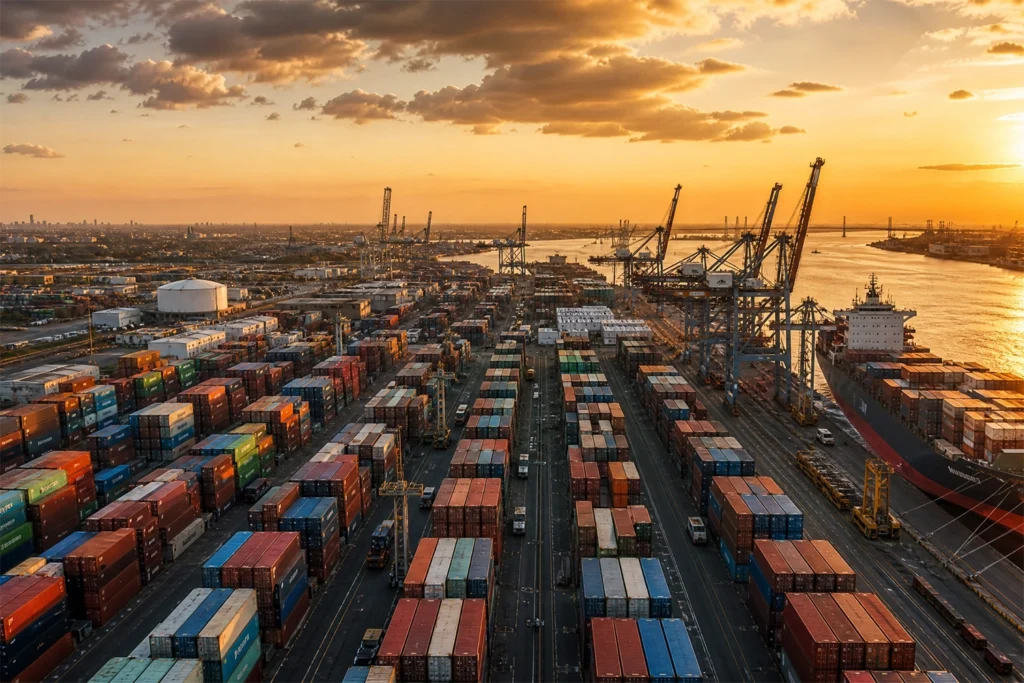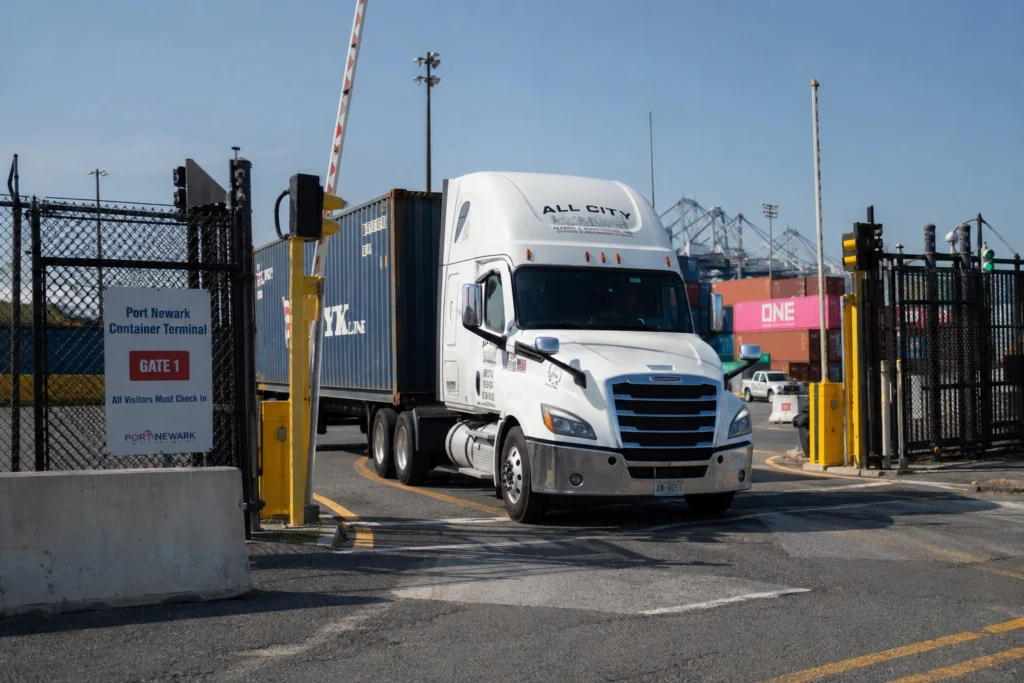
When optimizing a supply chain, moving freight efficiently and cost-effectively is the ultimate goal. For businesses managing logistics in New Jersey and across the nation, understanding the distinction between different freight transfer strategies can significantly impact the bottom line. Two of the most common and often confused logistics strategies are transloading and cross-docking.
While both methods aim to reduce inventory holding costs and accelerate speed to market, they serve different purposes within the supply chain. This guide explores the difference between cross docking and transloading, how each process works, and which strategy is best suited for your specific freight shipping needs.
What is Transloading?
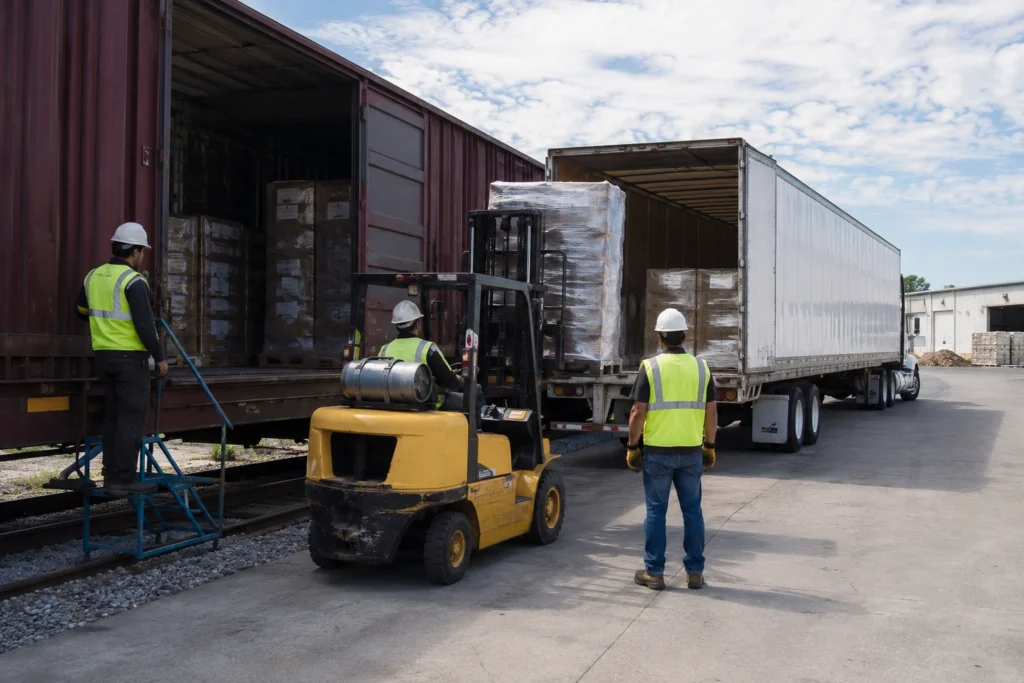
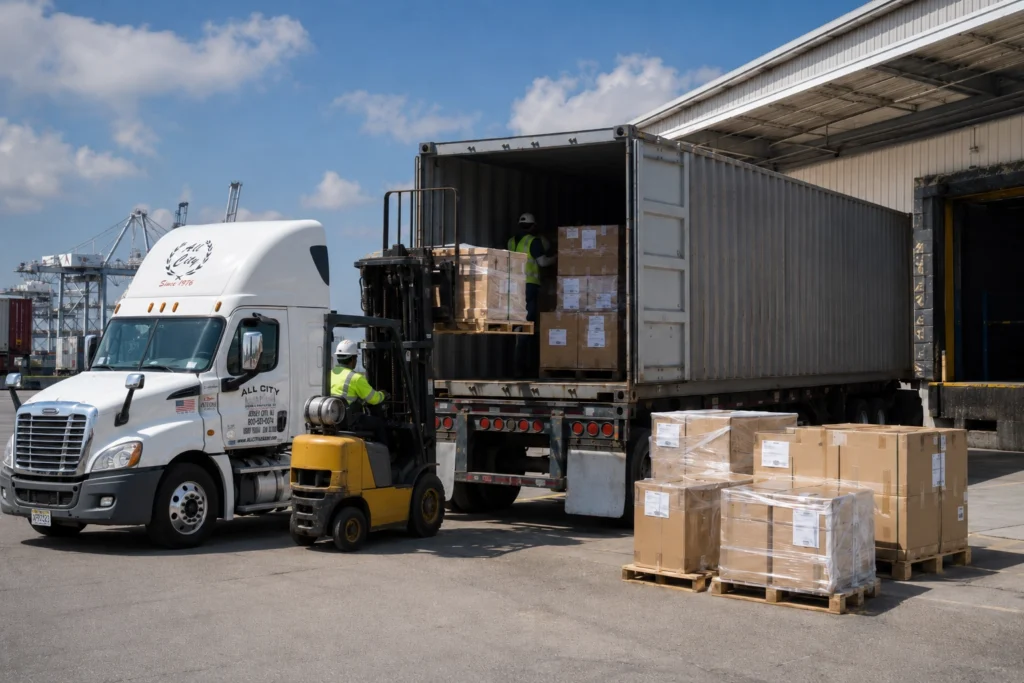
Transloading is the logistics process of transferring freight from one mode of transportation to another. This is typically done to optimize the transportation route, reduce costs, or comply with domestic regulations. For example, a shipment might arrive at a port in an ocean container, be transported to a transload facility, and then be transferred into a domestic trailer or railcar for the inland leg of its journey.
At a transload facility, cargo is unloaded, sorted, and re-loaded onto the next mode of transport. This process often involves deconsolidation or consolidation of freight. Unlike cross-docking, transloading may involve temporary storage while the freight is being staged or repackaged for its next destination.
The Transloading Process
- Arrival: Freight arrives at the transload facility via one mode of transport (e.g., ocean container or rail).
- Unloading and Sorting: The cargo is unloaded and sorted. This may involve deconsolidation of a large shipment into smaller loads or consolidation of multiple shipments.
- Staging and Repackaging: The freight may be temporarily stored, palletized, or repackaged to meet the requirements of the next transportation mode.
- Reloading: The cargo is loaded onto the outbound transportation (e.g., a domestic trailer or truckload) for final delivery.
Key Benefits of Transloading Services
- Multi-Modal Flexibility: Transloading allows businesses to leverage the most efficient mode of transport for each leg of the journey, such as using rail for long distances and trucks for final delivery.
- Cost Reduction: By optimizing transportation modes and consolidating shipments, companies can significantly lower their overall shipping costs.
- Expanded Geographic Reach: Transloading enables businesses to reach inland destinations that might not be directly accessible by ocean or rail alone.
- Regulatory Compliance: For international shipments, transloading allows freight to be reconfigured to meet domestic weight and equipment regulations before hitting the road.
What is Cross-Docking?
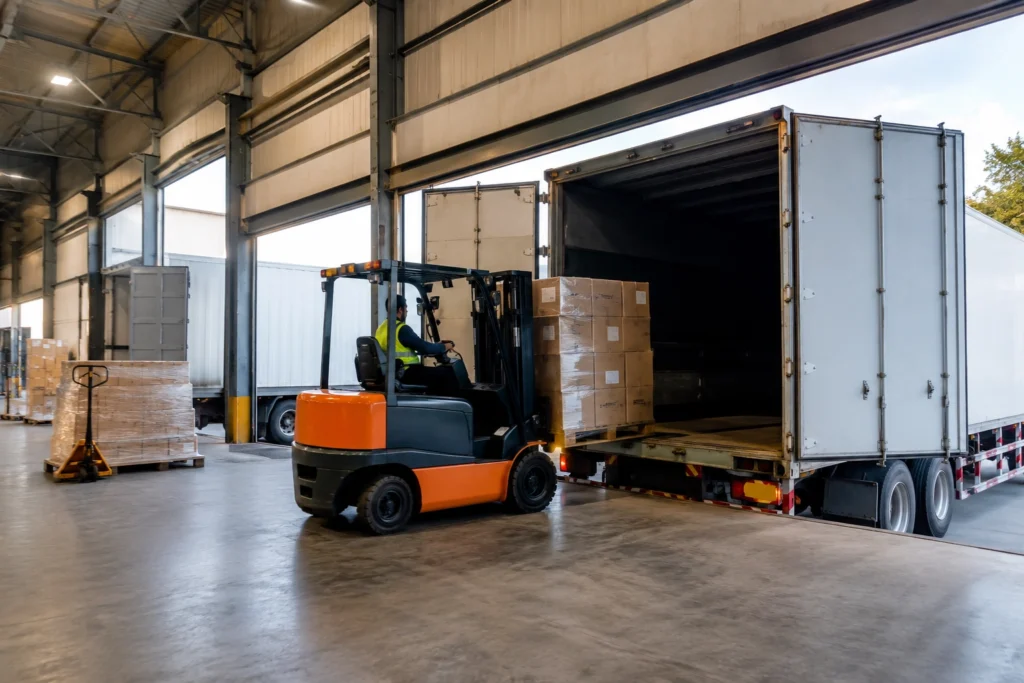
Cross-docking is a logistics strategy designed to move freight directly from inbound transportation to outbound transportation with minimal to no storage time in between. The primary goal of a warehouse cross dock operation is to maintain supply chain velocity and reduce handling and inventory costs.
In a typical cross-docking scenario, inbound trucks deliver goods to a distribution center where they are immediately sorted and loaded onto outbound trucks bound for different destinations. This flow-through approach is highly effective for pre-allocated, fast-moving, or perishable goods.
The Cross-Docking Process
- Inbound Arrival: Inbound transportation arrives at the dock doors of the distribution center.
- Immediate Sorting: Freight is unloaded and immediately sorted by destination.
- Direct Transfer: The sorted freight is moved directly across the dock to the outbound staging area.
- Outbound Departure: The freight is loaded onto outbound trucks for immediate delivery, often within the same day.
Key Benefits of Cross-Docking
- Reduced Inventory Holding Costs: Because goods spend little to no time in storage, businesses save significantly on warehousing space and inventory holding costs.
- Faster Transit Time: Cross-docking accelerates the turnaround time, getting products to retail stores, e-commerce fulfillment centers, or end customers much faster.
- Lower Labor Costs: With minimal handling, storage, and picking required, cross-docking reduces the labor needed to process shipments.
- Decreased Risk of Damage: Fewer touches mean a lower risk of product damage or loss during the handling process.
Difference Between Cross Docking and Transloading
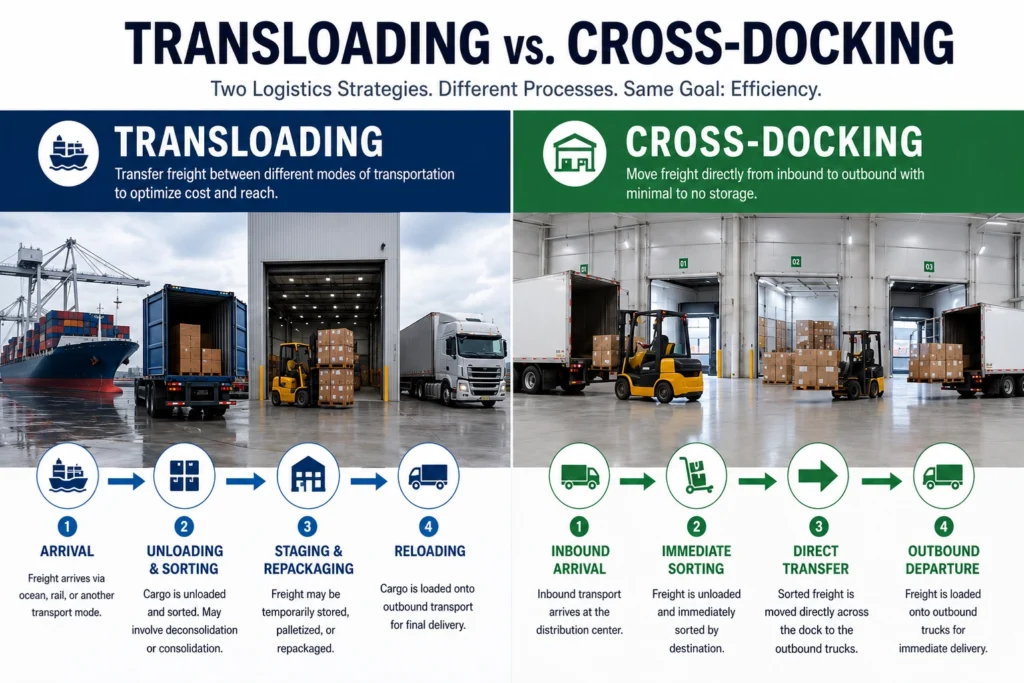
While both transloading and cross-docking aim to streamline the supply chain, the core difference lies in their primary function and execution.
| Feature | Transloading | Cross-Docking |
|---|---|---|
| Primary Purpose | Mode shift (e.g., ocean to truck, rail to truck) | Speed to market and rapid distribution |
| Storage Time | May involve temporary storage or staging | Minimal to no storage (flow-through) |
| Handling | Involves deconsolidation, consolidation, or repackaging | Minimal handling; direct transfer of intact pallets |
| Best For | International freight, heavy/bulky items, long-haul optimization | Pre-allocated goods, retail replenishment, perishable items |
| Facility Requirements | Access to multiple transport modes (ports, rail hubs) | High throughput capacity and efficient dock doors |
Which Strategy is Best for Your Supply Chain?
Choosing between transloading vs cross docking depends entirely on the specific needs of your freight and your overall logistics strategy.
When to Choose Transloading
Transloading is the ideal choice if your supply chain relies on importing goods via ocean container or moving heavy materials via rail. If your freight needs to transition between different transportation modes, requires deconsolidation before final delivery, or needs to be reconfigured for domestic trucking, transloading services in NJ are essential. It provides the flexibility needed to optimize long-haul transportation costs while ensuring seamless integration into domestic networks.
When to Choose Cross-Docking
Cross-docking is the superior strategy when speed is the priority. If you are dealing with pre-allocated retail goods, e-commerce fulfillment, or fast-moving consumer goods that need to reach their destination quickly, a cross docking New Jersey operation will keep your inventory moving. By bypassing the storage phase, you can achieve a rapid turnaround and maintain high supply chain velocity.
Combining Both Strategies
In many modern supply chains, businesses do not have to choose just one. A comprehensive logistics strategy often utilizes both. For example, an imported shipment might be transloaded from an ocean container to a domestic trailer at a port-adjacent facility. Once that FTL freight shipping reaches a regional distribution center, it can then be cross-docked into smaller LTL shipments for final delivery to multiple retail locations.
Optimize Your Logistics with All City Leasing & Warehouse
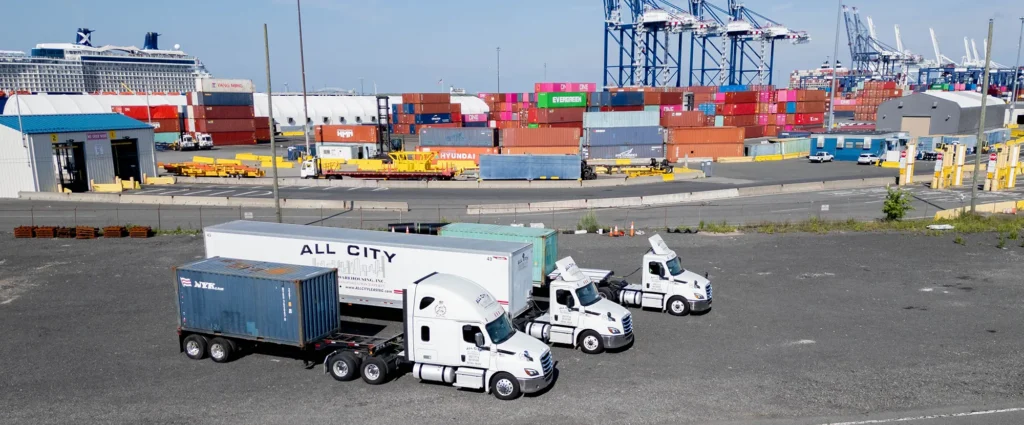
Whether you need to transfer freight between transport modes or accelerate your distribution process, having the right logistics partner is critical. At All City Leasing & Warehouse, we provide the expertise, infrastructure, and strategic location needed to optimize your supply chain.
Located near the Port of NY/NJ, our facilities are perfectly positioned to handle your complex freight requirements. From efficient container deconsolidation to rapid outbound routing, we ensure your cargo moves seamlessly from origin to destination.
Ready to improve your supply chain efficiency? Contact us today to learn more about our comprehensive New Jersey transload and cross-docking facility and discover how we can tailor a solution to save you time and money.